
Orthopedic care in India is moving into a new era where technology plays a major role in diagnosis and surgery. With the rise of robotic systems and artificial intelligence, treatments are now more accurate, personalised and faster. These advances are shaping the future of bone and joint care and giving patients better outcomes than ever before.
This blog explains the Orthopedic Technology Trends, such as robotics and AI, that are changing orthopedics, why they matter, and what the future looks like for Indian patients.
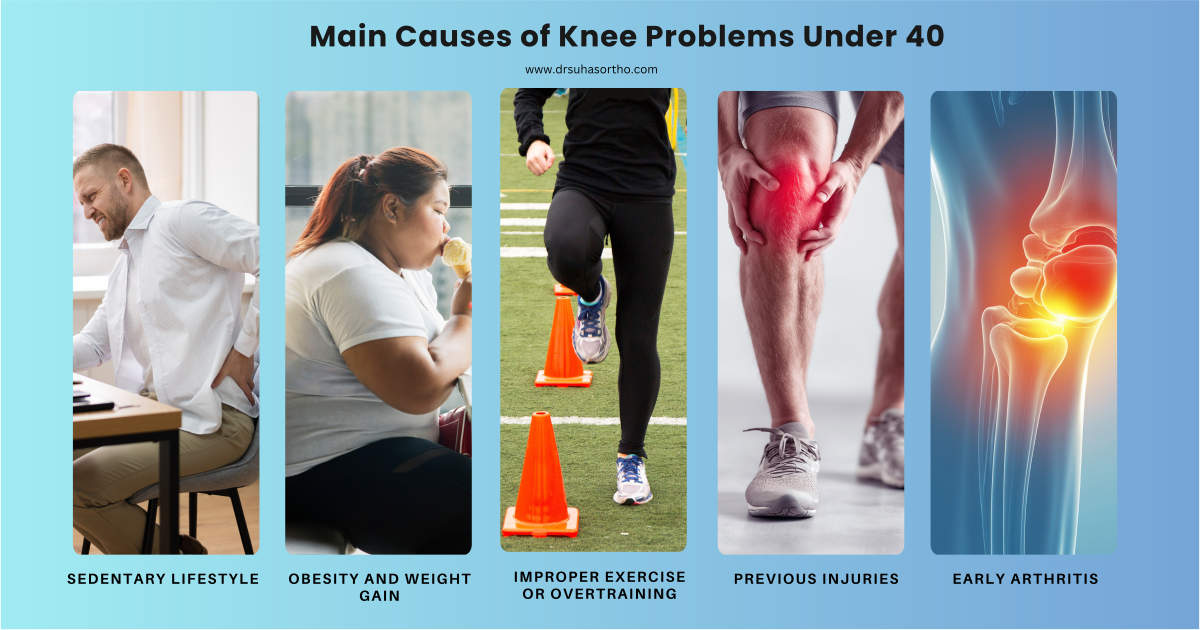
Young adults should ideally have strong and healthy knees. Still, the number of people under 40 searching for help with knee pain among young adults in Hyderabad has increased a lot in the past few years. The main reasons include:
Modern lifestyles are making the knee joint work harder while the muscles around it remain weak.
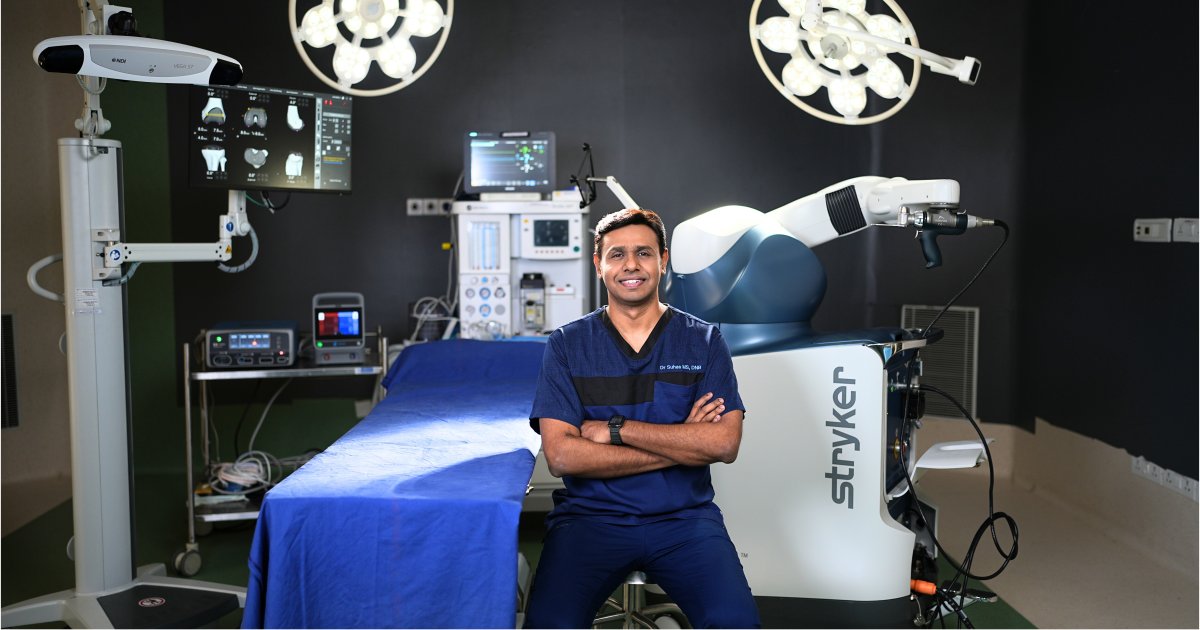
Modern orthopedic problems need more than traditional tools. Robotics and AI help surgeons make precise decisions and plan treatments with greater accuracy. These technologies support better alignment during joint replacement surgeries, improved diagnosis through digital tools and faster recovery for patients.
They are becoming essential because more Indians now want safe, predictable and minimally invasive orthopedic care.
Robotic systems are now used in knee, hip and spine surgeries in India. They guide surgeons with real-time data and ensure the implant is placed with exact accuracy. This reduces errors and improves the long-term life of the joint implant.
The growth of robotics in orthopedic surgery allows surgeons to customise the operation based on each patient’s bone structure. This leads to smoother recovery and better joint movement after surgery.
AI tools support surgeons long before the surgery begins. They study medical scans, predict joint alignment, identify hidden damage and help create a personalised surgical plan.
AI is becoming a major part of AI joint replacement India because it improves decision-making and reduces complications. It can also flag early signs of arthritis, cartilage damage or bone weakening through pattern recognition.
AI does not replace the surgeon. It enhances their ability to plan safely and perform more accurate procedures.
Robotic-assisted surgery gives patients a safer and more predictable experience during joint procedures. The system creates a personalised surgical plan and guides the surgeon with high accuracy, which improves overall results.
Key benefits include:
These advantages make robotic surgery an important part of modern orthopedic technology trends and help patients enjoy long-term comfort and mobility.
India is expected to see rapid growth in digital health orthopedics. In the coming years, we may see:
The combination of robotics, AI and digital tools will continue to make orthopedic care simpler, faster and safer for patients across the country.
Robotics and AI are changing orthopedic care in India by improving accuracy, safety and recovery outcomes. These technologies help surgeons plan better and give patients a smoother experience with fewer complications.
If you are considering robotic-assisted knee or hip treatment or want clarity about the right approach, you can consult Dr. Suhas Masilamani A.B, one of Hyderabad’s trusted orthopedic specialists. He offers personalised evaluation, advanced digital planning and modern treatment options for faster and more predictable recovery.
Book an appointment today to discuss the best robotic or AI-guided treatment for your condition.
Robotic orthopedic surgery offers higher precision by mapping your joint in real time. This reduces human error, improves implant alignment and often leads to faster recovery with fewer post-surgery complications.
Yes. AI studies your scans and movement patterns to predict joint damage. It helps doctors understand if you truly need surgery or if physiotherapy and lifestyle changes are enough.
Robotic systems are especially useful in complex deformities. They create a personalised plan that guides the surgeon, ensuring accurate implant placement even when the joint structure is uneven or rotated.
AI will not replace surgeons. It acts as a support tool that improves planning and decision-making. The final analysis, surgical judgment and patient care always remain with the doctor.
Dr. Suhas Masilamani A.B is one of Hyderabad’s top robotic orthopedic surgeons, known for precise knee and hip replacements. For advanced robotic joint care, book your consultation today.

Dr Suhas Masilamani is one of the Renowned Orthopedic Doctor in Hyderabad and currently working as a consultant orthopedic surgeon at Emory Hospital and Renova Hospital.
Road No. 12, Banjara Hills, Hyderabad, Telangana 500034. Call us – 7799388880
9:00 Am to 3:00 Pm
Attapur, near Trinity Community Church, Hyderabad, Telangana 500048, Call us – 7799388880
6:00 Pm to 8:00 Pm
Copyright 2021, All Right Reserved. Designed & Maintained by Hidden Theory