
I often meet patients who worry about surgery. Many want to know if they can avoid a joint replacement. The good news is that physiotherapy for joint preservation can help many people manage pain and stay active without surgery.
With guidance from experts like Dr. Suhas Masilamani A.B, orthopedic consultant and robotic knee and hip replacement specialist, many patients learn that the right steps can protect their joints and improve daily comfort.
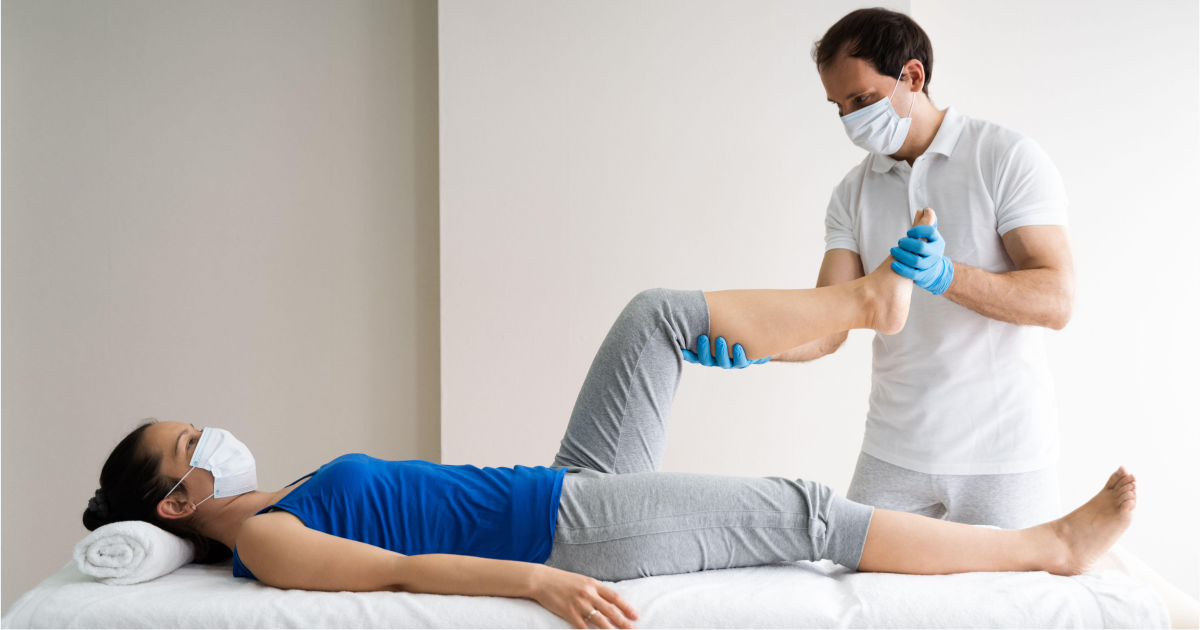
For many people, the answer is yes. Physical therapy can help delay or even avoid joint replacement when used early and consistently.
Therapists focus on reducing pain, improving movement and strengthening muscles that support your joints. When these muscles work better, your joint feels more stable. This reduces stress on the bones and slows arthritis progression.
Physical therapy also teaches you correct movement patterns. Simple changes like how you stand, walk or climb stairs can ease joint pressure. These small adjustments often create a big difference in long term joint health.
Knee arthritis is one of the most common reasons people think about surgery. But many patients manage it well with guided therapy.
A physiotherapist will assess your pain, stiffness and walking pattern. They may start with gentle exercises to improve flexibility. As your knee becomes more comfortable, strengthening exercises are added to support the joint.
Examples include:
Cold therapy, heat therapy and manual techniques can also ease discomfort. When done regularly, these methods improve function and reduce the need for surgery.
For more details on arthritis care, you can read our page on joint pain treatments
Exercise is one of the most powerful tools to protect your joints. When you follow a safe program, your body becomes stronger and more balanced.
A few helpful exercise categories include:
These help support the knee, hip or shoulder. Strong muscles act like natural shock absorbers.
Gentle stretching improves movement and reduces stiffness.
Better balance reduces the chances of falls, which protects aging joints.
Walking, stationary cycling or water exercises keep you active without hurting your joints.
Always follow a plan given by a trained physiotherapist. Every joint and every patient is different. Exercises must match your comfort level and arthritis stage.
Not every patient needs surgery. Many improve with conservative care. This includes:
These methods reduce pain and let you continue daily activities. Patients often feel more confident when they understand that surgery is not the first step. With proper rehabilitation, many enjoy long periods of relief.
For more orthopedic guidance, visit our orthopedic services page
Physiotherapy plays a powerful role in joint preservation. With the right exercises, guidance and lifestyle changes, many people delay or even avoid joint replacement. I have seen patients regain confidence and return to their routines with simple, consistent care.
If you are unsure about the next step for your joint pain, reach out for help.
Book an appointment with Dr. Suhas Masilamani A.B in Hyderabad for personalised orthopedic care and clear guidance.
Yes, in many cases physiotherapy improves strength, reduces pain and slows joint damage. This helps many patients avoid or delay joint replacement.
Starting early gives the best results. Gentle exercises and correct movement patterns reduce pain and protect the joint from further stress.
If done incorrectly, they may. But a physiotherapist will guide you through safe exercises that protect your joints and avoid strain.
Low impact options like cycling, swimming and targeted strengthening exercises are usually safe. A therapist can customise them for your condition.
Dr. Suhas Masilamani A.B is one of the best orthopedic doctors in Hyderabad. He offers expert evaluation and advanced treatment options. Book an appointment to check your joint health now.

Dr Suhas Masilamani is one of the Renowned Orthopedic Doctor in Hyderabad and currently working as a consultant orthopedic surgeon at Emory Hospital and Renova Hospital.
Road No. 12, Banjara Hills, Hyderabad, Telangana 500034. Call us – 7799388880
9:00 Am to 3:00 Pm
Attapur, near Trinity Community Church, Hyderabad, Telangana 500048, Call us – 7799388880
6:00 Pm to 8:00 Pm
Copyright 2021, All Right Reserved. Designed & Maintained by Hidden Theory