

Bone health problems are becoming more common today. Many people do not realise they have weak bones until pain or fractures appear. In this blog, Dr. Suhas Masilamani A.B, orthopedic consultant and robotic knee and hip replacement specialist, explains how bone health affects daily life and how you can prevent long term issues with simple steps.
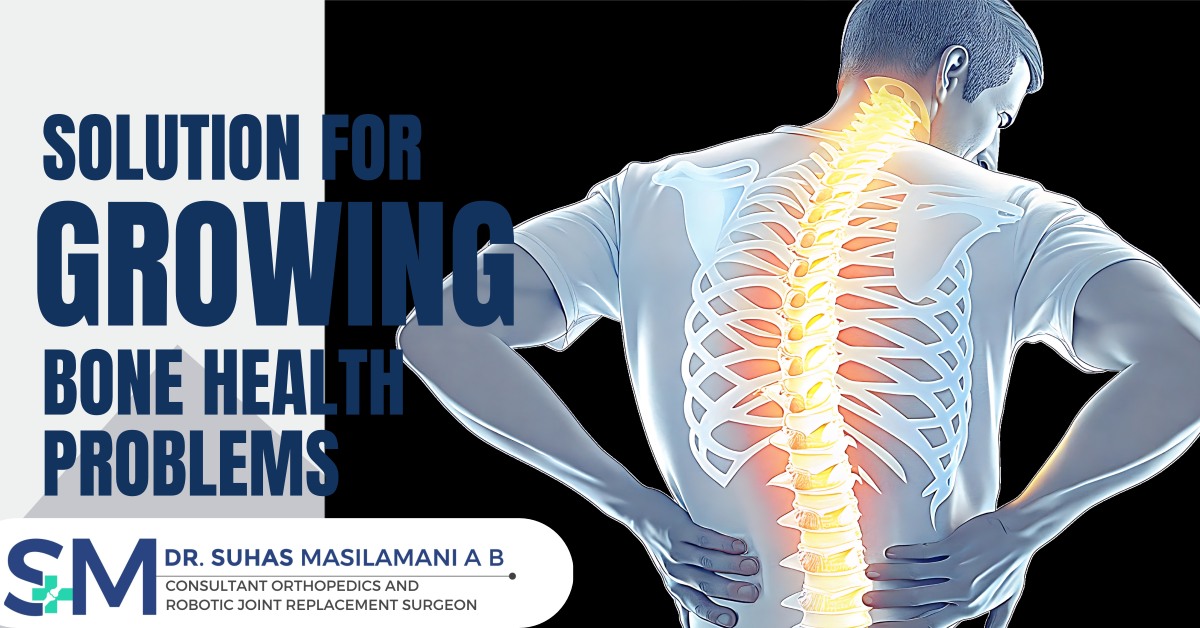
Many adults experience bone density loss without knowing it. Lifestyle changes, stress, poor diet, lack of exercise and medical conditions can all affect bone strength. Good habits in nutrition and bone health can protect you at any age.
Healthy bones depend on the food you eat. Your bones remodel every day, which means old bone breaks down and new bone forms. This process needs the right nutrients.
Simple example, A cup of milk with sunlight exposure can help your body produce Vitamin D. This supports bone growth and reduces the chances of bone density loss.
Eating a balanced diet is one of the most effective tips for healthy bones. It also plays an important role in preventing bone loss and lowering your risk of osteoporosis.
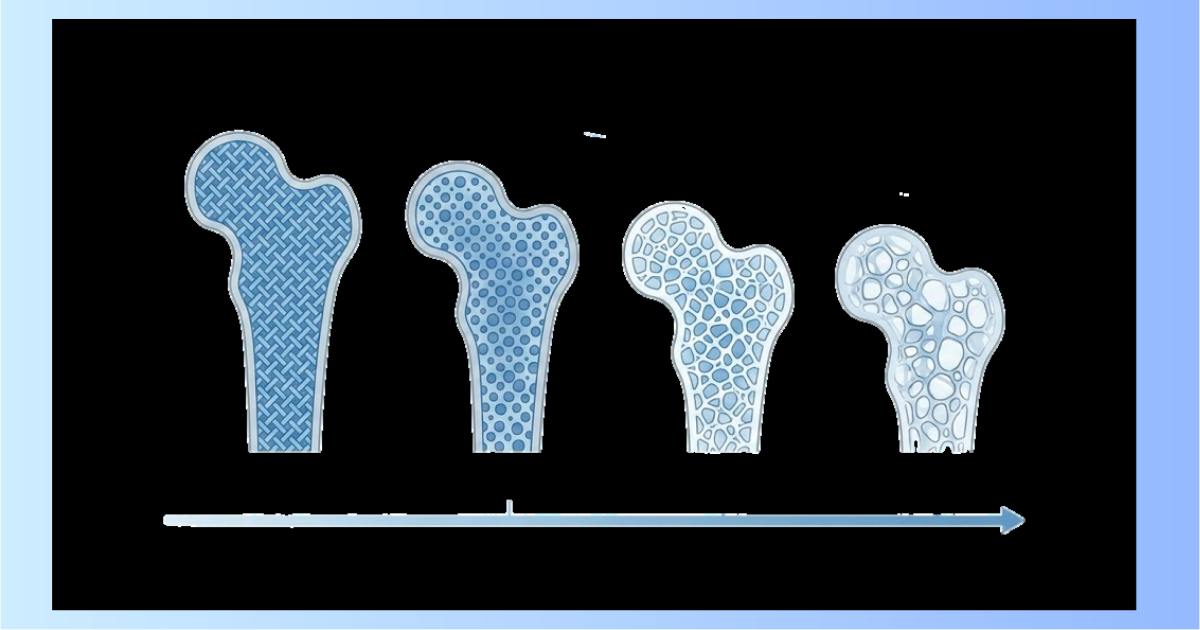
Bone density shows how strong your bones are. When bone density is low, bones become fragile and are more likely to break. Many people do not notice bone density loss symptoms until a minor fall causes a major fracture.
Low bone density is one of the biggest bone health risk factors. This is why regular screening after the age of 40 is important, especially for women.
Many bone health risk factors play a role in weakening bones. Some of the most common include:
Age- Bones naturally become thinner with age.
Low physical activity- Sitting for long hours reduces bone strength.
Poor nutrition- Lack of calcium, Vitamin D or protein affects bone growth.
Smoking and alcohol- These habits lower bone density over time.
Hormonal changes- Women after menopause often face faster bone loss.
Family history- If bone health problems run in the family, your risk may be higher.
You can support your bones at any age with consistent and simple habits.
Stay active- Weight bearing exercises like walking, climbing stairs and light strength training improve bone density.
Get sunlight- 10 to 15 minutes of sunlight most days helps your body make vitamin D.
Avoid smoking and excess alcohol- These reduce bone building activity in your body.
Have regular checkups- A bone density test can show early changes before symptoms appear.
Maintain a balanced diet- Focus on nutrients that protect and repair your bones daily.
These steps keep your bones strong and support safe aging.
These easy tips for healthy bones can support your daily routine.
These steps support bone density and help in preventing bone loss naturally.
Bone health problems are increasing, but the good news is that they can be prevented with simple habits. Good food, regular exercise and early screening can protect your bones for life. If you notice symptoms or want to check your bone density, expert help is available.
Book an appointment with Dr. Suhas Masilamani A.B in Hyderabad for personalised orthopedic care and complete bone health assessment.
Early symptoms include mild back pain, weak grip strength and small height changes. Many people do not notice them, which is why regular screening is important.
You can begin with calcium rich food, sunlight exposure, daily walking and simple strength exercises. These habits help maintain bone density and reduce fracture risk.
Age, poor nutrition, smoking, hormonal changes and family history are common risk factors. Early lifestyle changes help protect long term bone health.
Nutrients like calcium, protein, magnesium and Vitamin D support bone remodeling. A balanced diet keeps bones strong and prevents fast bone loss.
Dr. Suhas Masilamani A.B is one of the best orthopedic doctors in Hyderabad. He offers expert guidance and advanced treatment options. Book an appointment to check your bone health now.
Dr Suhas Masilamani is one of the Renowned Orthopedic Doctor in Hyderabad and currently working as a consultant orthopedic surgeon at Emory Hospital and Renova Hospital.
Attapur, near Trinity Community Church, Hyderabad, Telangana 500048,
Call us – 7799388880
6:00 Pm to 8:00 Pm
Copyright 2021, All Right Reserved. Designed & Maintained by Hidden Theory